


What Is Texas Cedar Fever?
Texas cedar fever is an allergic reaction to pollen from the mountain cedar tree (Juniperus ashei). Despite the name, it’s not a fever and isn’t caused by true cedar trees. The pollen is extremely fine and lightweight, allowing it to travel long distances—often from Central Texas into North Texas.
When Is Cedar Fever Season in North Texas?
Cedar fever season typically runs from December through February, with peak levels often occurring in January. Weather patterns such as strong north winds and dry conditions can cause sudden spikes in pollen counts, leading to intense symptoms even in people who don’t usually suffer from seasonal allergies.

Cedar fever symptoms can be more severe than typical spring allergies and may include:
Severe nasal congestion
Runny nose and post-nasal drip
Sneezing fits
Itchy, watery, or burning eyes
Sinus pressure and headaches
Fatigue and poor sleep
Low-grade fever-like feeling (from inflammation, not infection)
Because symptoms can come on suddenly and feel intense, cedar fever is often mistaken for a cold, flu, or sinus infection.
Why Is Cedar Fever So Bad in Texas?
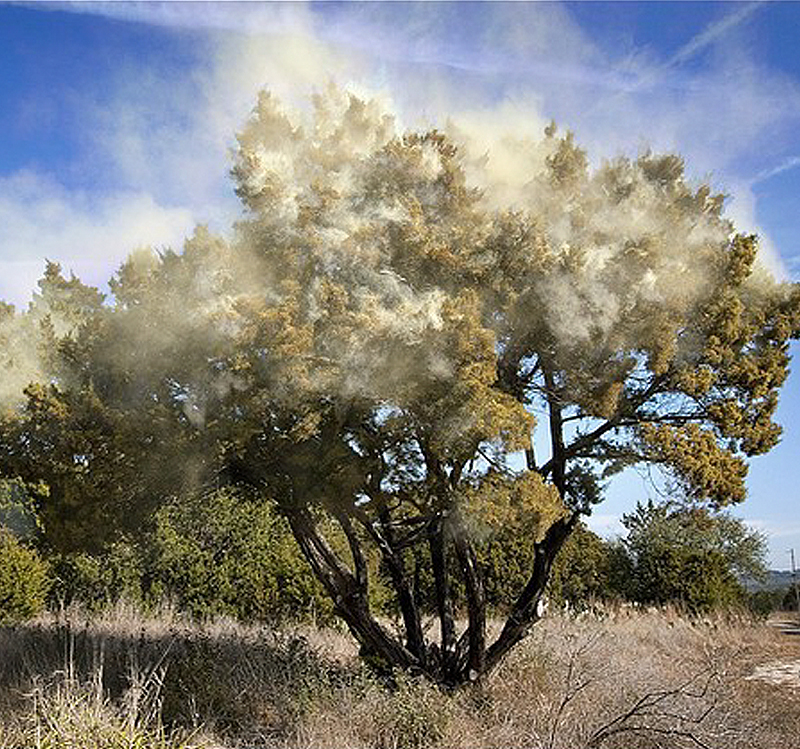
Texas cedar pollen is notorious for its high allergenic potential. A single mountain cedar tree can release millions of pollen grains, and the pollen season occurs during winter—when many people least expect allergies. In North Texas, pollen can arrive even when there are no local cedar trees nearby.
Tips For Managing Cedar Fever Symptoms
While you can’t eliminate pollen exposure entirely, you can reduce symptoms with a combination of prevention and treatment:
Reduce Exposure
Check daily pollen counts and limit outdoor activities on high-pollen days
Keep windows closed at home and in the car
Shower and change clothes after spending time outdoors
Use HEPA air filters indoors
Allergy Testing & Treatment
If cedar fever significantly impacts your quality of life, allergy testing can confirm sensitivity to mountain cedar. Allergy immunotherapy (allergy shots or drops) can help reduce symptoms long-term by desensitizing your immune system to cedar pollen.
Breathe Easier This Cedar Season
Texas cedar fever is a winter reality for many North Texans, but it doesn’t have to control your life. With early preparation, proper treatment, and guidance from a Family Allergy & Asthma Care board-certified allergist, you can manage symptoms and enjoy the season with fewer disruptions.
If you suspect cedar fever, now is the time to take action—before pollen levels peak. GET STARTED TODAY!